



to 부정사
준동사의 역할
- 명사 :
S(to 부정사) 동사에서 S에 왔을 경우, 가주어 진주어 문제로 출제
타동사 뒤에 to 부정사로 왔을 경우, to 부정사를 취하는 동사로 암기 할 것
be to 부정사로 왔을 경우 보어로 사용(난이도가 높은 문제)
- 형용사 :
N to 부정사일 경우 Something to drink, 형용사로 사용
- 부사
완벽한 문장에서 의미를 보충하는 역할 -> 목적/이유/결과
1. to 부정사의 역할
명사 역할(주어)
출제 포인트 -> 가주어, 진주어
It is important / necessary / essential to ~
* for + 목적어 -> 의미상 주어
명사 역할(목적어)
to부정사를 목적어로 취하는 동사
영어를 배우기(learn)를 희망(hope)하는 분들께 한 가지 계획(plan)을 제안(offer)합니다.
거부(refuse)하지 마시고 약속(promise)하세요.
잘하기를 바라고(wish) 원하는(want) 만큼 굳은 결심(decide)으로 시작한 이 강의를 실패(fail)없이 끝내세요.
명사 역할(보어)
주격 보어
The team's objective is [to design a better product]
목적격 보어 (ask/require/request + 목 + to 부정사)
The manager asked his employees to research market trends.
형용사 역할 -> N (to 부정사)
I have some news to report
Time to go , sleep , eat
<대표 표현>
someone/something/somebody
anyone/anything/anybody
everyone/everything/everybody
nobodoy/no one/nothing
+ to 부정사
I need something to drink/to read
부사 역할(의미 보충)
목적 = in order to / so as to
-> I will send our order eariler to secure sufficient raw materials.
이유 (감정의 형용사 다음에 오면)
- > I am delighted to introduce the new branch manager.
결과
-> Philip woke up only to realize he was late for work.
to부정사는 to 동사 원형의 형태를 가진다
* 전치사 to와 to 부정사를 구분하자.
부정사 to
in order to ~하기 위해 be asekd to 요청 받다
전치사 to
in addition to 게다가 be devoted to 헌신하다
2. to 부정사의 형태와 의미상 주어
* 수동형은 to be p.p, 진행형은 to be -ing, 완료형은 to have p.p
수동
She wants to be known for her accomplishments.
그녀는 그녀의 업적이 알려지기를 원한다.
진행
The building owner seemed to be fixing the lock on the front door this morning.
빌딩 주인은 아침에 앞문의 잠금장치를 고치고 있는 것처럼 보였다.
완료
It is great to have met you at the convention.
컨벤션에서 당신을 만난 것은 좋았다.
* 의미상의 to 앞에 'for + 명사/대명사 목적격'
The manager's objective was for staff to improve their skills.
매니저의 목표는 직원들이 그들의 능력을 키는 것이다.
3. to 부정사를 취하는 동사, 명사, 형용사
i. to 부정사를 취하는 동사
동사 + 목적어
원하다 want/need/wish/hope
계획하다 plan/aim/decide
제안/약속/거절 propose/promise/agree/refuse
기타 fail/serve/pretend/afford/manage
동사 + 목적어 + to부정사(목적 보어)
원하다 want/need/expect/invite
부추기다 encourage/convince/cause
강요하다 force/compel/require
허락하다 allow/enable
알려주다 remind/warn/advise
-> 수동태로 바뀌면 be + p.p + to 부정사
ii. to 부정사를 취하는 동사
자동사 + 보어(to 부정사) -> PARS(파스)
prove to ~인 것으로 판명되다 it proves to be effective
appear to ~인 것처럼 보인다 it appears to be expensive
remain to 아직 ~해야 한다 it remains to be reviewed
seem to ~인 것 같다 he seems to be nice
<숙어 표현>
it remains to be seen 지켜볼 일이다
iii. to 부정사를 취하는 명사 - 형용사적 용법
ability to 능력 authority to 권한
chance to 기회 way to 방법
decision to 결정 effort to 노력
right to 권리 attemp to 시도
a right to be silent 묵비권
in an effort / attempt to ~하기 위한 노력/시도
iv to 부정사를 취하는 형용사
be 형 to(부정사)
be able to ~할 수 있다 be willing to 기꺼이 ~하다
be pleased/delighted to ~기쁘게 생각하다
be about to 막 ~하려고 하다
be reluctant/unwilling to 마지 못해 ~하다
-> The legal team is ready to review the revised contract.
4. 원형 부정사를 목적격 보어로 갖는 동사
사역동사(make, let, have) + 목적어 + 원형 부정사
- have + 목적어(사람) + 동사 원형(have Tom deliver it)
- have + 목적어(사물) + 과거 분사(have the car repaired)
준사역동사 help + 목적어 + 원형 부정사/to 부정사
- I helped Andrea (to) finish the research.
- Regular exercise helps (to) relieve work-related stress.
지각동사(hear,see,watch,notice) + 목적어 + 동사원형/현재분사
- I watched him park the vehicle
- I watched him parking the vehicle -> 동작의 진행을 강조
핵심단어
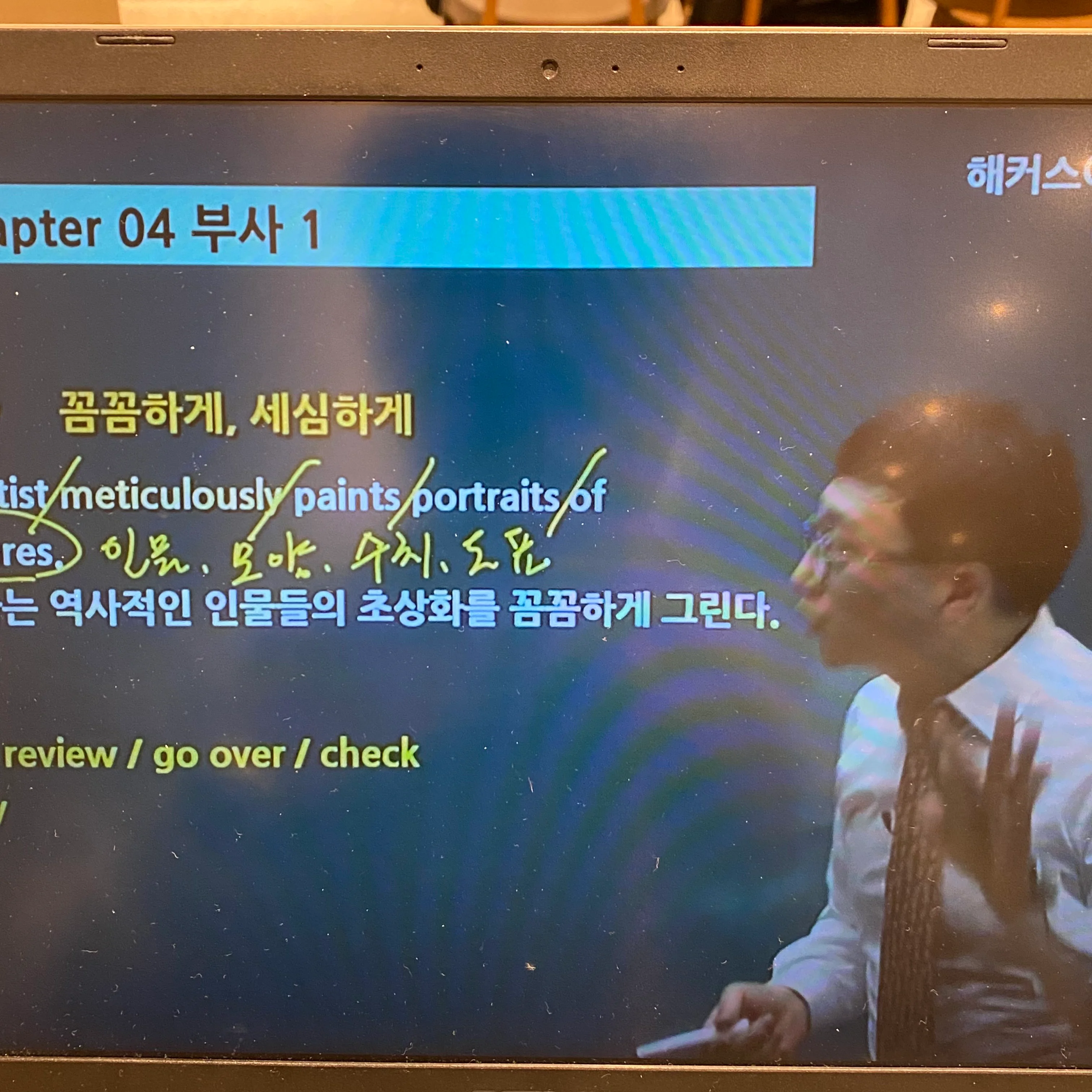
meticulously 꼼꼼하게, 세심하게
The famed artist meticulously paints portraits of historical figures.
그 유명한 화가는 역사적인 인물들의 초상화를 꼼꼼하게 그린다.
meticulosly review/ go over/ check = thoroughly
adversely 불리하게, 반대로
The increasing cost of a food has adversely impacted the resturant industry.
상승하는 식품 원가는 요식업계에 불리하게 영향을 미쳤다.
Collocation 동의어
Adverse weather = unfavorable = inclement
adverse affect / influence 불리하게 영향을 미치다
approximately 대략
dramatically 급격히, 극적으로
relatively 상대적으로, 비교적
mutually 상호 간에, 서로

 0
0


